Health and Safety Policy for Carpet Cleaners SE27
 Health and safety is central to every stage of carpet cleaning, from initial inspection to the final handover. A well-structured policy helps carpet cleaners SE27 work carefully, reduce incidents, and protect clients, staff, and property. It also supports consistent standards in homes, offices, and communal spaces where carpets may be delicate, heavily soiled, or exposed to frequent foot traffic. This policy sets out the practical approach expected on every job, with risk awareness built into planning, equipment use, and cleaning methods.
Our aim is to maintain a safe working environment by identifying hazards before work begins and controlling them in a sensible, proportionate way. Carpet cleaning can involve water, electricity, cleaning chemicals, moving furniture, and repeated physical effort, so each task must be assessed with care. Cleaners are expected to act responsibly, use equipment correctly, and stop work if conditions become unsafe. Protecting health is not only about avoiding accidents; it also includes reducing strain, preventing exposure to harmful substances, and keeping work areas orderly throughout the process.
 Before any carpet cleaning service starts, a brief assessment should be carried out to check the condition of the room, the carpet type, the ventilation, and any obvious hazards. Slippery floors, trailing cables, uneven surfaces, fragile items, and poor lighting can all increase risk. Where possible, the area should be cleared and marked to prevent access while cleaning is in progress. Safe preparation is essential because it reduces the chance of slips, trips, and damage to belongings. If there are signs of mould, sewage contamination, or other significant contamination, the job should be paused until the risk is properly controlled.
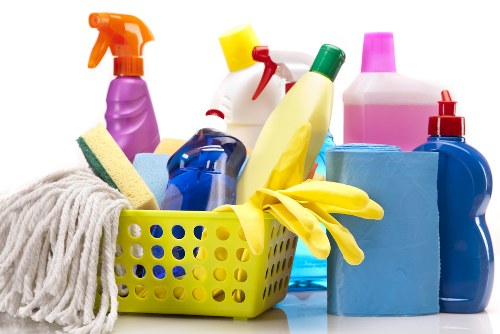
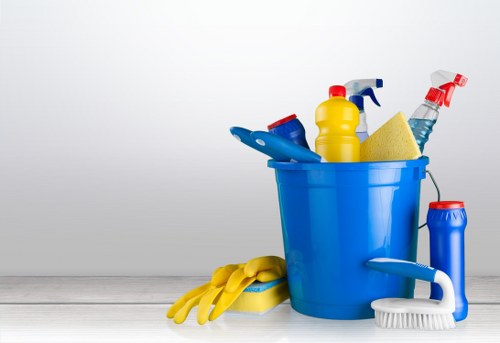
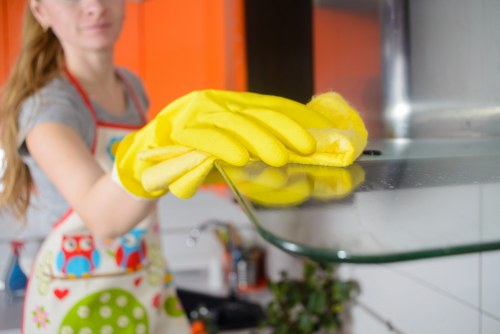
Cleaning products and equipment must be selected and used according to manufacturer instructions and workplace procedure. Carpet cleaners should understand dilution rates, application methods, drying times, and any warnings relating to skin contact, inhalation, or surface damage. Where chemicals are used, suitable storage and labelling are necessary to prevent accidental misuse. Personal protective equipment such as gloves, protective footwear, and, where appropriate, eye protection should be worn when handling solutions or working in damp conditions. Good hygiene matters too: hands should be cleaned after use, and food or drink must be kept away from cleaning materials.
 Electrical safety is another important part of the policy. Portable machines, extension leads, and extraction units should be inspected before use to ensure they are in good condition and free from visible damage. Cables should be positioned to avoid trip hazards and kept away from water whenever possible. If equipment shows signs of fault, it must be removed from service immediately. Safe operation also includes switching off and unplugging machinery before cleaning or adjusting it. Regular inspection helps prevent avoidable incidents and supports reliable performance during every carpet cleaning assignment.
Manual handling must be managed carefully, particularly when moving furniture, lifting machinery, or carrying water containers. Workers should avoid unnecessary strain by using correct posture, keeping loads manageable, and asking for help when items are heavy or awkward. Where furniture is moved, the risk of scratching floors, trapping fingers, or damaging fragile items should be considered. The policy encourages sensible planning so that carpet cleaning SE27 tasks can be completed without excessive physical pressure. Team members should take breaks when needed and report discomfort early to prevent minor strains from becoming more serious injuries.
Infection control and environmental care are also part of safe practice. Carpets may contain dust, allergens, pet residues, or other particles that can affect air quality and wellbeing. Vacuuming, containment of waste, and correct disposal of dirty water help reduce cross-contamination. If a property contains vulnerable occupants, additional caution may be required to limit exposure to strong odours, moisture, or residues. Workers should be alert to the condition of the space they are entering and adjust methods to suit the environment. This balanced approach keeps professional carpet cleaners safer while also protecting the surrounding property.
Training and supervision play a key role in maintaining standards. Everyone involved in carpet cleaning should be competent in safe chemical handling, equipment use, hazard reporting, and emergency response. New staff should receive instruction before working independently, and experienced workers should refresh their knowledge when procedures change. Managers or supervisors should monitor compliance, review incidents, and update working methods where necessary. A strong safety culture depends on clear expectations, open communication, and a willingness to learn from near misses as well as actual accidents.
 Emergency planning should be simple, practical, and understood by all workers. Spills, burns, cuts, allergic reactions, and electrical faults may all require immediate action. Suitable first aid arrangements, clear reporting steps, and prompt isolation of hazards are essential. If a serious incident occurs, work must stop until the area is safe again. Carpet cleaners should know how to respond calmly, protect people nearby, and record the event accurately. Preparedness reduces confusion and helps prevent a small problem from becoming a larger one.
Continuous improvement is the final principle of this policy. Health and safety should be reviewed regularly so that methods remain effective and relevant. Feedback from inspections, incident records, equipment checks, and day-to-day practice can all highlight opportunities for improvement. By treating safety as an ongoing responsibility rather than a one-time task, carpet cleaning teams can deliver reliable results while minimising risk. The purpose of this policy is to support safe, professional work and ensure that every job is approached with care, attention, and accountability.
 In conclusion, the health and safety policy for carpet cleaners sets a clear standard for responsible working practices. Whether handling chemicals, operating machinery, or moving through occupied premises, cleaners must apply caution and judgement at every step. By following sensible controls, maintaining equipment, and reporting hazards promptly, carpet cleaners SE27 can protect themselves and others while delivering a high-quality service. Safe working is part of professionalism, and it should remain a consistent priority on every carpet cleaning project.